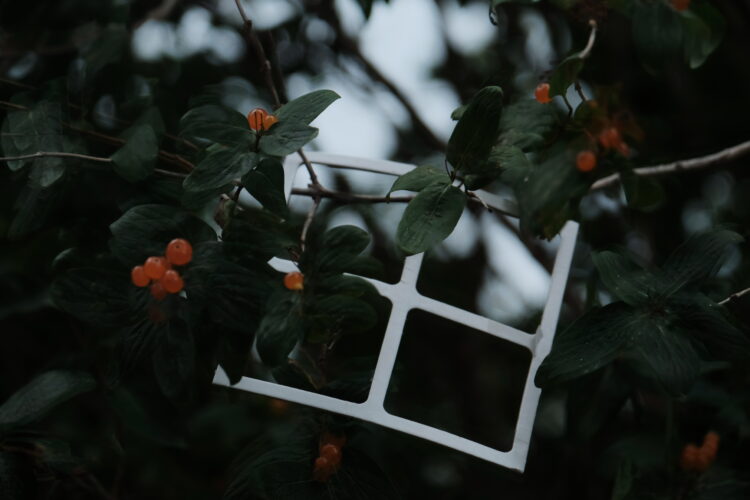
Windows, Walks, and Everyday Thresholds: A Photo Essay on Windows and Everyday Life in Malmö
“There are streets, there are faces, there are buildings, there are hallways, there are windows. We don’t notice them anymore. We live through them. We walk through them. We are them”
(Perec, 1997).
Of Openings and Silences
I left Tehran behind to settle in Malmö without really being aware of how differently a city would be experienced through windows.
Windows in Tehran frequently protected life indoors; thick walls, lattices, and heavy draperies brokered vision and protection.
Windows in Malmö appeared lighter and more open, folding daily life right into the street. It was not merely an architectural difference.
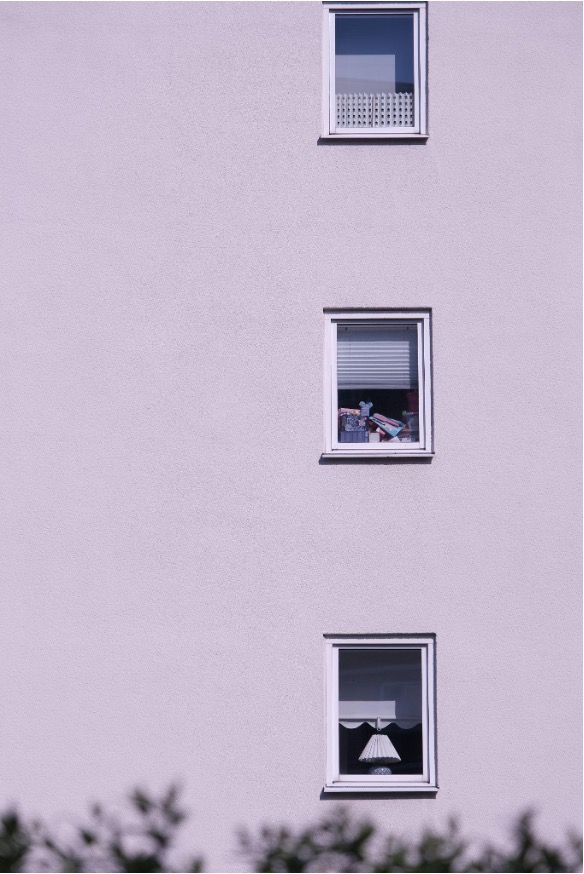
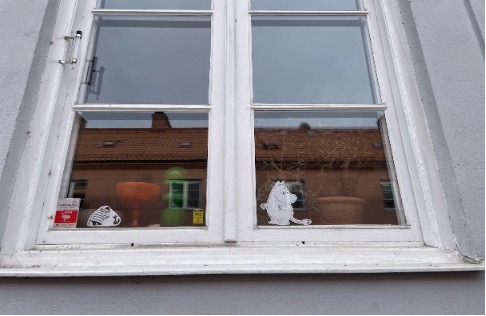
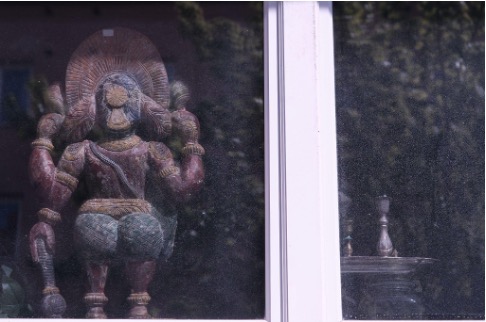
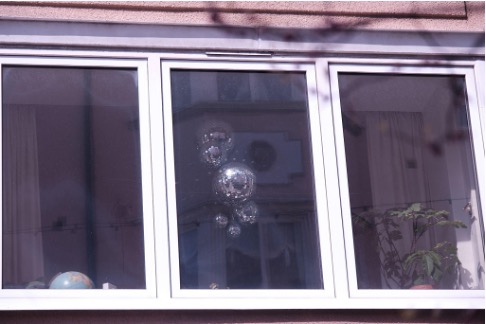
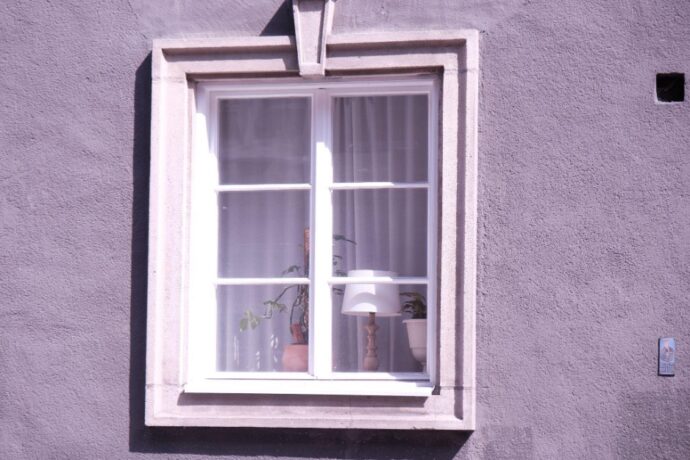
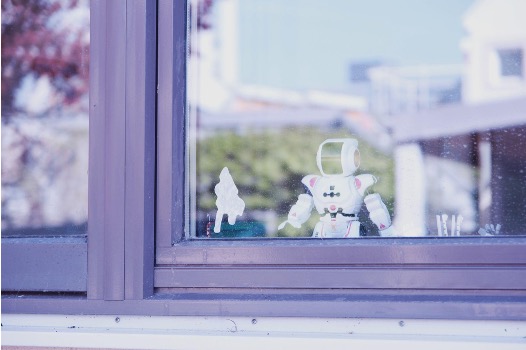
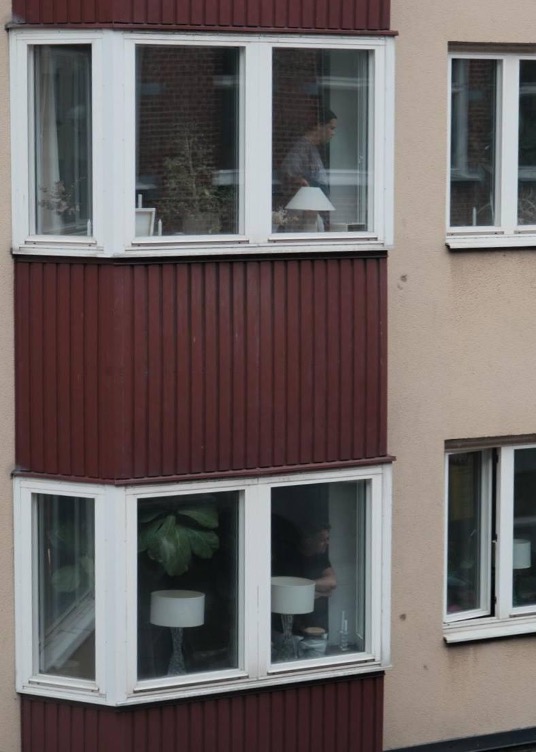
It was a difference in terms of privacy, of visibility, of light, of the city itself. Exploring Malmö’s districts on foot, I started to observe how windows were little openings into daily life: greenery leaning towards glass, toys scattered across sills, music carried faintly into the street, or different lamps glowing behind the panes, lighting up the sidewalk for pedestrians during the deep darkness of the Scandinavian winter.
Certain windows displayed plenty; others whispered quietly of a lack or a measure. Windows separated not merely inside from outside, but were thresholds where cultural, economic, and emotional values briefly came into view.
These observations raised a set of questions in my mind.
What constitutes a window, both structurally and as a space experienced by humans? Windows mediate the relation between urban life and architecture, along with that of exposure and shelter.
This photo essay collects bits of these familiar interactions.
In walking, seeing, photographing, and stopping, I was starting to make an emotional cartography: a set of thresholds traversed in daily rhythms, unremarked upon but structuring experience.
The City Through the Looking-Glass
I came to Malmö with more than my bags of stuff; I carried habits of vision shaped elsewhere.
In Tehran, windows were never just holes or openings. In traditional Iranian architecture, homes turned inward, centered on courtyards enclosed by the house. Windows faced gardens or interior walls, not the street. Climate, privacy, and shared values encouraged introversion: life unfolded inside, sheltered from public view. Openings to the street were few, often veiled behind lattices, screens, or heavy fabrics. Even as modernist Iranian architecture introduced balconies and larger planes of glass, cultural habits lingered. Windows remained semi-private thresholds: cautious, defended, almost negotiable spaces.
When I moved to Sweden, I sensed a new relationship immediately. Here, windows opened out toward the street: broad, unshielded, seemingly confident, inviting light and visibility rather than hiding from them. At first, I imagined this as a response to the long northern winters, a cultural instinct to seize every available breath of daylight. But later, I understood this openness not as timeless, but as shaped by architectural movements and historical shifts. The strong connection between Nordic identity and light was cultivated in the late 19th century and became widespread through early 20th-century ideals, especially within Swedish functionalism (funkis). Cold climates had once made large windows impractical; their eventual proliferation came as much through ideology as innovation.
Still, these wide and visible windows fascinated me. What does a culture do with so much visibility? What happens when domestic life spills into the urban, not through noise or motion, but through still images framed in glass? These differences made me more attentive to windows themselves: not just as architectural features, but as social and emotional thresholds—spaces that filter, mediate, and perform. They became markers of values, styles of life, and quiet gestures of connection or distance. It was from this observation that I began walking, photographing, and writing. Urban humanities, I have come to feel, begins exactly here; not with abstract maps, but with embodied traces of everyday life: how built forms become lived experience, and how something as ordinary as a window might contain an entire world.
Traces of Care, Traces of Distance
While strolling through Malmö’s streets, I came to realize that windows were not passive openings but silent chroniclers of place.
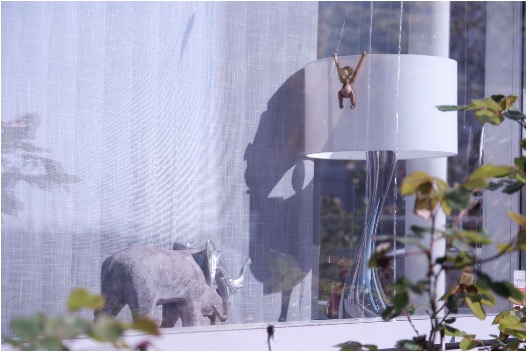
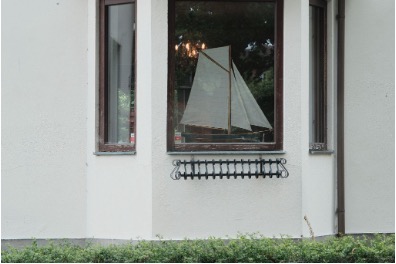
Wherever possible, windows ran from floor to ceiling, tall and unobstructed, the interiors styled like museum displays: tastefully selected furnishings on view, sheer curtains blowing gently in spotless architectural details. Here, openness was deliberate, almost theatrical, a means of incorporating private existence into the city’s aesthetic, reflecting ideals of modernity, transparency, and mastery back to itself. In the other areas of the city, the windows narrated other stories.
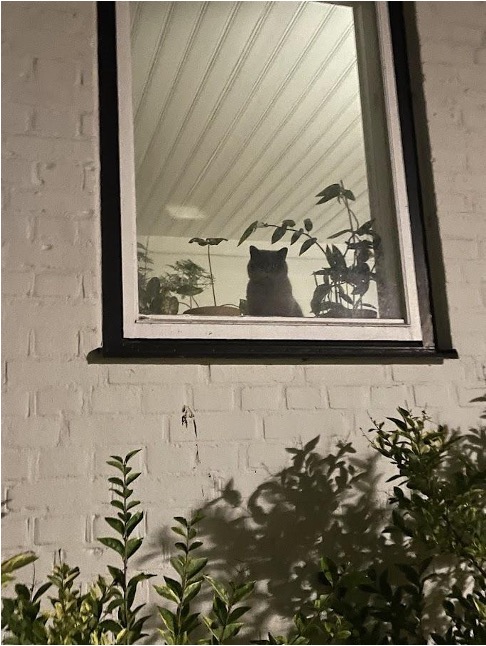
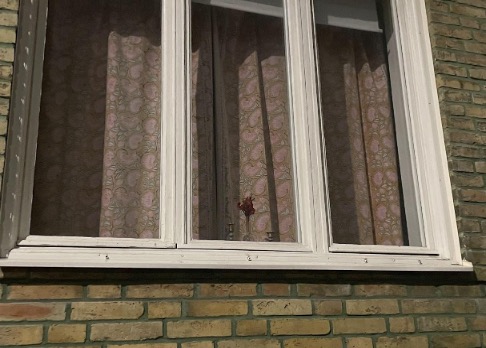
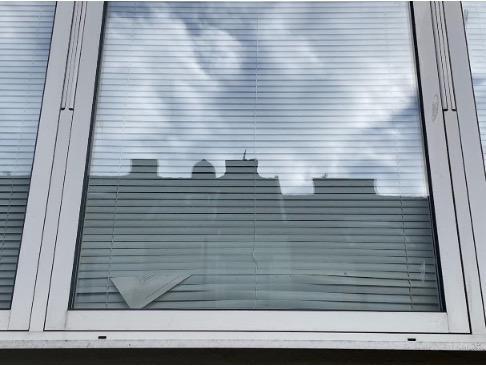
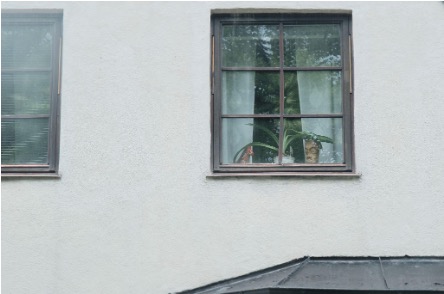
Small, old panes, sometimes hand-restored instead of replaced, indicated other life rhythms. Heavy drapery blocked views into the room; improvised blinds dangled slack; plants were jammed against the panes. Such windows were more intimate and protected, created through the rhythms of everyday life instead of presentation.
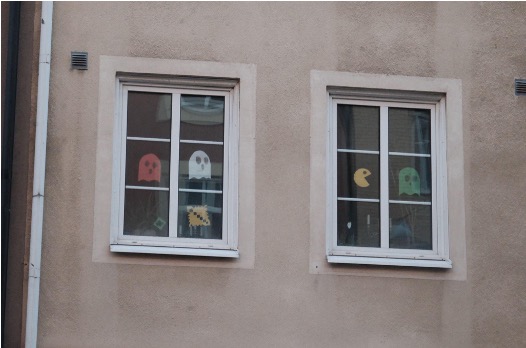
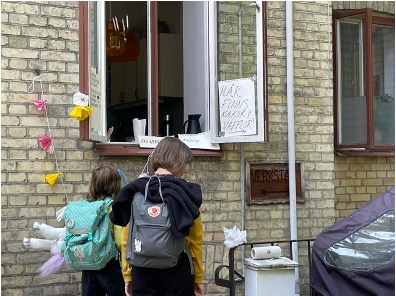
Some windows were a riot of color and daily clutter: school bags hurled against windowsills and delivery notices stuck to panes, betraying a life lived not to be seen, but endured.
From an urban humanities perspective, such practices are not peripheral; they are central to how we come to know and reimagine cities. Urban humanities invites us to combine artistic, critical, and spatial methods to read the city not only through statistics or plans, but through its textures, rituals, and thresholds (Cuff et al., 2020). In this way, windows are no longer static elements of architecture but relational devices: they mediate visibility, intimacy, exclusion, and hope. They become minor yet meaningful urban sites where personal and collective histories surface, quietly but insistently. This project aligns with urban humanities’ commitment to exploring cities as more than systems, but as lived and imagined spaces, dense with affect and memory.
Each window, every threshold, turns into an archive:
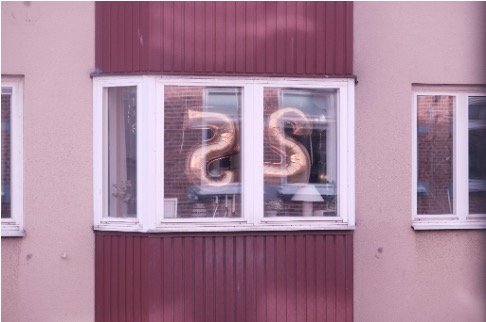
Not only of architecture, but also of emotion, aspiration, fear, resistance, and remembrance. A daily urban archive that fluctuates as individuals migrate, fight, settle, and dream. In Malmö, windows do frame light as well as frame lives. From intricate details: a pattern of curtains, a garden on the sill of a window, a sculpture, a flag, an agglomeration of shoes, and small items stuffed into corners. I learned to interpret these openings as subtle narratives about those who made them. Occasionally, a window would convey a specific cultural heritage, individual history, stylistic preference, or hope.
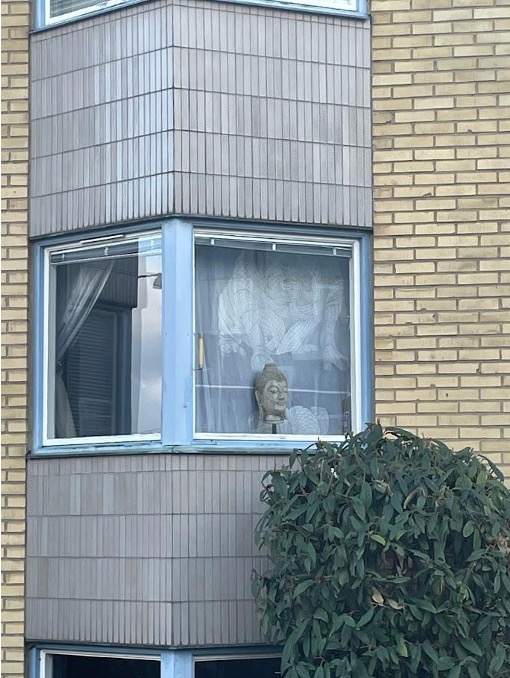
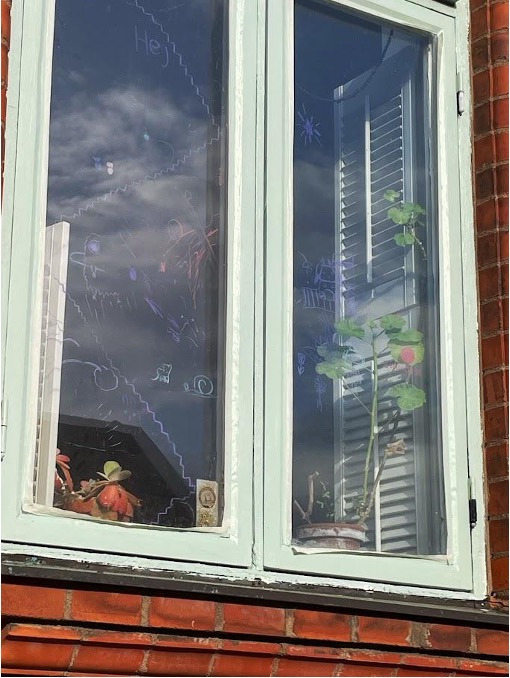
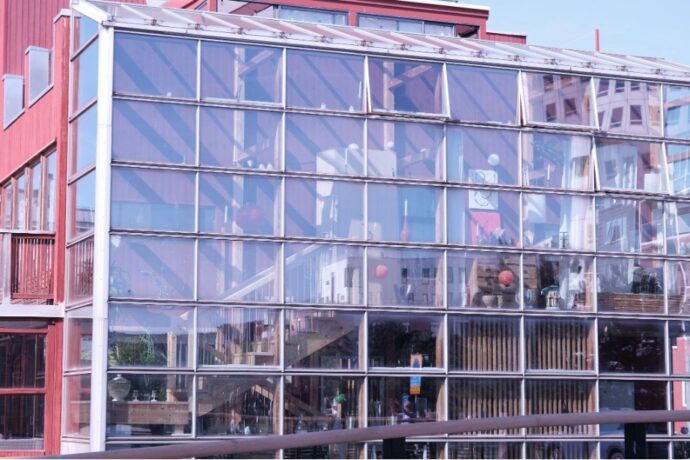
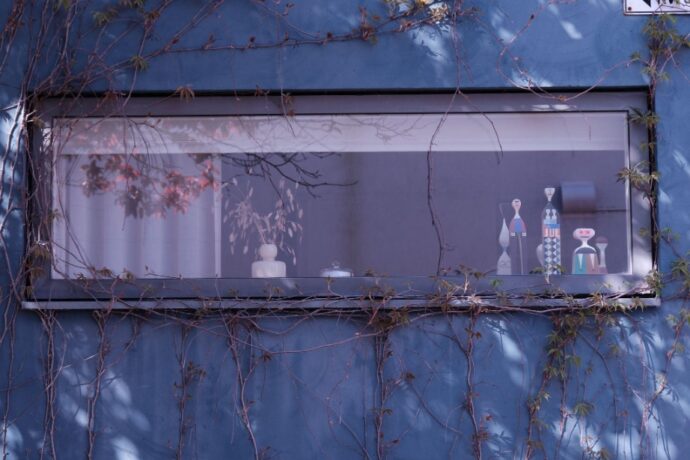
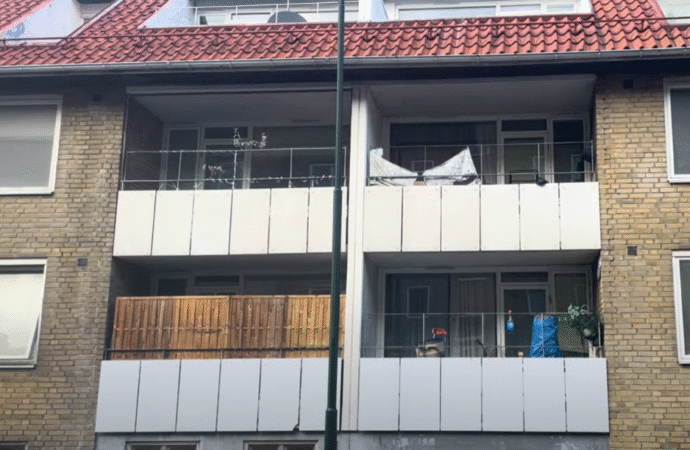
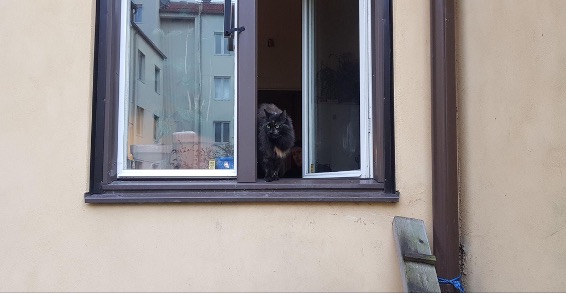
The windows’ materialities also evolved along with the textures of the street: later, frames were made of steel and glass, and the buildings were thin, shiny, and uniform. Frames in older, more fragile areas sagged over time, with their wood splintering and paint layers evoking repairs over a span of decades of changing residents. The manner in which windows invited or rejected the street also differed: Some stood open wide even during winter, as if taking possession of the city’s air. Others were closed even on sunny days, a protection from prying eyes.
These nuances in opening, framing, preserving, and closing came to feel like a second skin of the city as I walked around. A membrane where histories of migration, displacement, prosperity, being left behind, taking care, and hoping filtered visibly but quietly through. The city’s disparities, its close-fought struggles, were not made visible in squares or institutional spaces, but on these fragile thresholds, through the quiet, daily negotiations each window conducted between private life and public appearance. In retrospect, I realize I was not just looking at windows; I was reading rhythms, atmospheres, and silent negotiations. My walks became a method of sensing, and photography a way of pausing, of registering the fleeting, the ordinary, and the unresolved. These acts of walking, noticing, misreading, and returning became, in themselves, a kind of embodied inquiry.
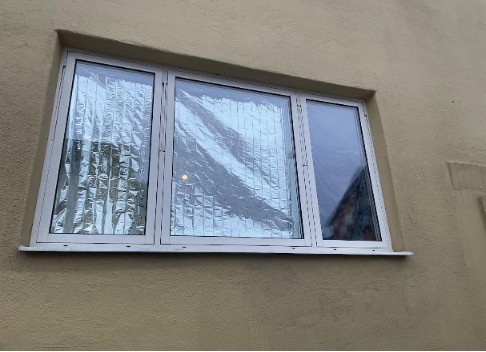
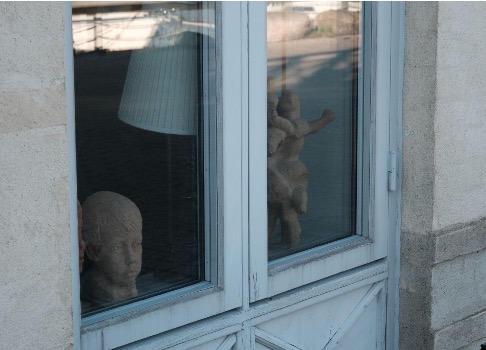
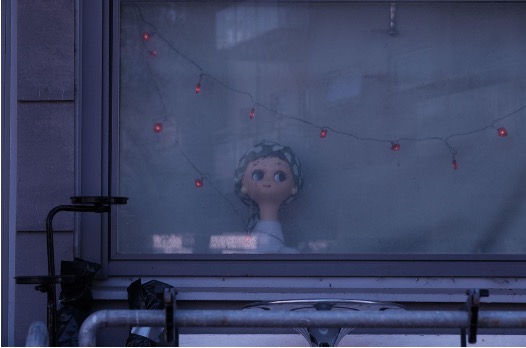
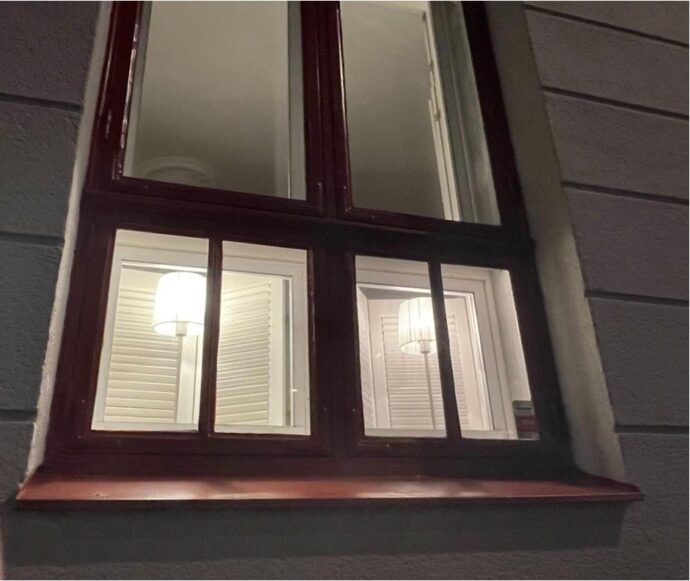
But windows do bear ambiguous stories.
What they reveal is never the whole story, and sometimes what they suggest is not what they mean at all. Once, as I was taking pictures of a poster-covered window, I envisioned its owner as a bird fancier, someone who lined his room with flights of desire.
Standing there, composing the window in my frame, an elderly woman walked by along the sidewalk. Noticing my attention, she smiled warmly and said,
“Oh, you like my birds? I just placed them there to keep out the sun!”
She said she would substitute them later with smaller colored papers to regulate light better. Her statement rolled my assumptions in on themselves.
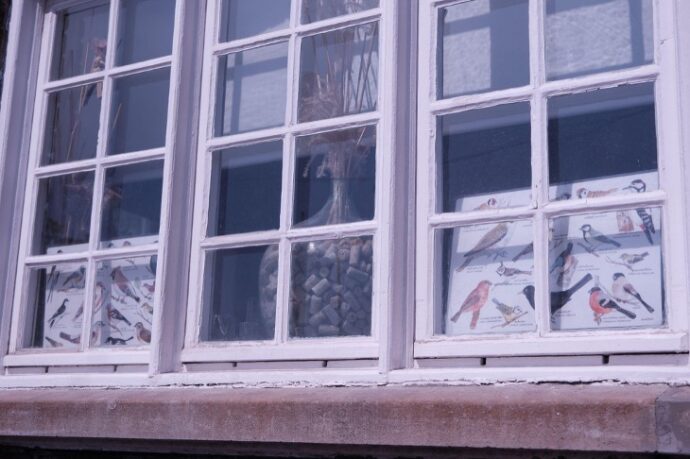
The window had spoken, but in a language I would have never envisioned. This brief interaction lingered with me. It made me realize that windows, as well as cities themselves, bear multiple appearances, misreadings, and unvoiced negotiations between what is revealed and what is experienced. To read a window is always an act of imagination and, of course, an encounter with limits, with the unsaid, the untold, and the invisible. Following the urban humanities spirit, those moments are not interpretive failures, but rather integral to the way we inhabit and move around urban areas, intertwining imagination with perception, closeness with distance, and surface with depth. It is within those small, tentative acts of reading and misreading that the city opens itself as an enduring, collective repository of everyday practice, rather than as an unchanging thing.
Where the City Crosses My Window
As these textures accumulated during my walks—layers of openness and closure, maintenance and decay, pride and protection—I began to notice that the city had quietly sharpened my sensitivity toward another kind of threshold: the windows that framed my own life in Malmö.
The more I observed others’ windows, the more I came to experience my own not simply as architectural features, but as active mediators of sensation: shaping how I related to the street, to privacy, to light, to fear, and to longing.
My first window, in Rönnen, became the place where these questions condensed in a more intimate register. Living behind that frame, seeing the city through a single pane of glass, I understood how windows don’t merely offer views; they structure how we feel spatially connected or cut off.
What I had seen mirrored in Malmö’s public textures, in facades, balconies, cluttered sills, open frames, and drawn curtains began to echo in my own daily space.
This reversal moving from the city’s visible rhythms to the quieter field of the domestic reflects an urban humanities approach: the belief that the urban is never separate from the emotional, the sensory, or the private.
To walk the city is not just to read its surfaces, but to be changed by them, and to return home carrying those changes into the smallest openings of everyday life.
Hovering Between Sky and Concrete
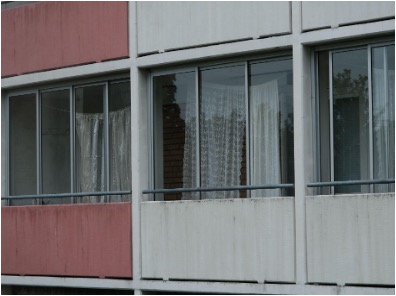
I first lived at Rönnen in Malmö, a large student housing complex situated just north of Värnhemstorget, a busy transit and commercial hub where bus terminals, budget supermarkets, and fast-food chains converge in a strange choreography of flow and fatigue.
Originally built in the 1950s, Rönnen functioned for decades as a psychiatric hospital, one of several such institutions constructed during Sweden’s mid-century welfare expansion. When the building was later repurposed for student housing, the architecture remained largely intact with the addition of three upper floors, built atop the original structure to accommodate more residents. But even with this shift in purpose, something from the building’s past clung to it.
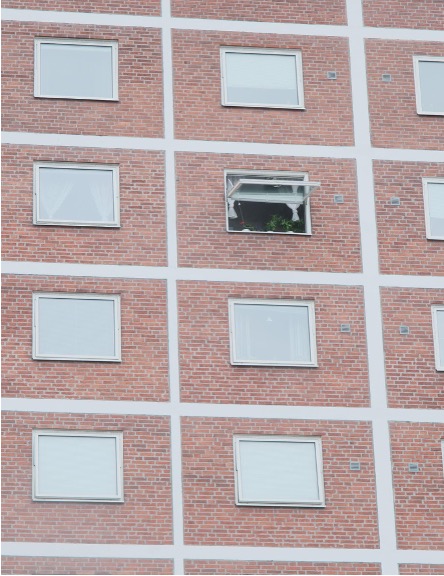
From my room on the fifth floor, the world outside seemed flattened: a parking lot, a fenced-in play area, a care home, and the faraway cries of children. Vision was allowed, but connectivity was withheld. The windows, narrow, high-set rectangles, felt like they had been designed not to invite the city in, but to hold something back.
Later, I moved to a room on the seventh floor, and with it, everything shifted.
These upper floors, floors seven, eight, and nine, were added after the hospital’s conversion. Perhaps that detail mattered. Up there, the windows were expansive, and so was the experience: Malmö opened outward and upward. Fireworks erupted without warning into the winter sky, spreading glitter across the dark; church towers stood like punctuation marks across the horizon; clouds reconfigured themselves at dusk like slow-moving scripts.
Space was no longer confined.
Space expanded.
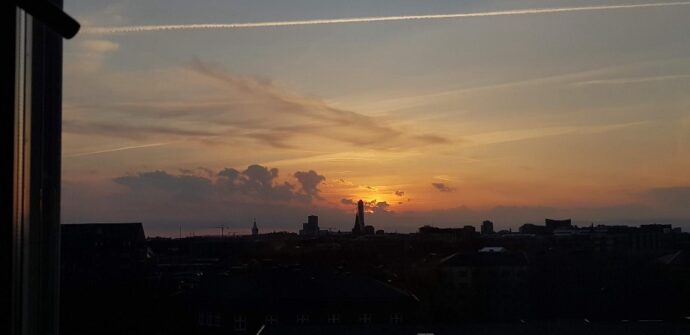
If we try to read this through Lefebvre’s theory of rhythm analysis, as developed in his work on how rhythms shape everyday urban life (Lefebvre, 2004), these windows did not simply outline space but mediated rhythms: evening light slowly drifting, then jarring, sudden sirens cutting through nights, and the cyclical ebb and flow of people gathering and going again below. The window was transformed into a musical instrument, rendering urban beats into a private space, vibrating softly with the city’s pulse.
Breathing with the Street
Shifting to the ground floor in a small apartment near Folkets Park changed the conversation entirely. The window no longer framed distant rooftops and abstract movements, it invited the street into my living space. Faces, conversations, bikes, and dogs all passed within touching range. People paused under my window to tie their shoes, chat with friends, and smoke a cigarette. The glass felt porous. Yet while many people associated this area with Möllan, my apartment was technically closer to S:t Knut—a quieter, more residential pocket just beyond the intensity of the square.
This subtle distinction mattered: the energy outside my window was not quite that of Möllan’s dense, multicultural bustle, nor entirely detached from it. It was a liminal zone, suspended between two modes of Malmö: proximity and withdrawal, exposure and quiet. The street life here felt occasional but intimate, with moments of encounter that felt accidental yet meaningful.
Folkets Park itself is one of the oldest public parks in Sweden, established in the late 19th century as a social and political gathering space for the city’s working class. It remains a rare lived space, a place where children play, teenagers gather, dogs run, activists meet, and artists perform. It is not just a park but a thick slice of Malmö’s social fabric. Living nearby meant being stitched into that fabric, whether I chose to be or not.
My window sat low, wide, and exposed. At night, I became a lit rectangle in the urban dark visible to the street, silently performing my own presence. I often left the curtain open. It was not just about visibility; it was about staying part of the flow, even from indoors. Yet visibility is not neutral. To be seen is not always to be known—sometimes, it is to be imagined, watched, or misunderstood.
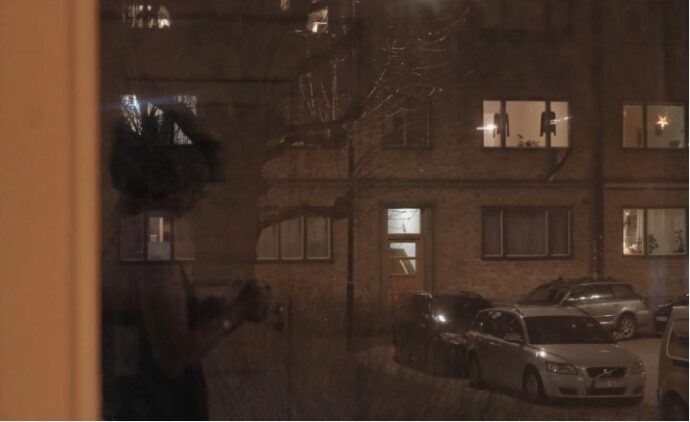
Drawing on Ahmed’s phenomenological reflections on orientation (Ahmed, 2006), I’ve been thinking about how spaces are defined by bodies, and bodies are shaped by how they move through space. My negotiation with the window was not intellectual; it was tactile, embodied. Windows in these instances were not merely a matter of seeing or being seen; windows were spaces of meeting.
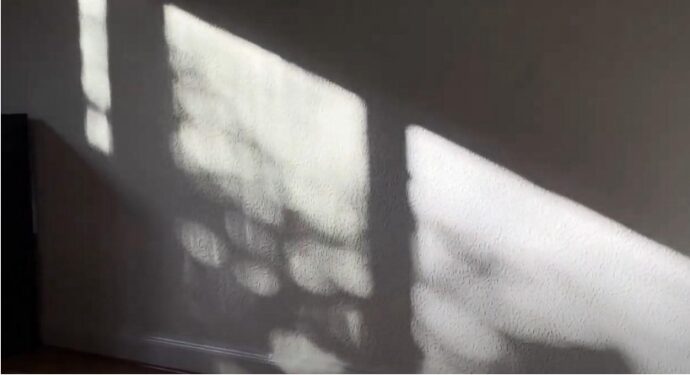
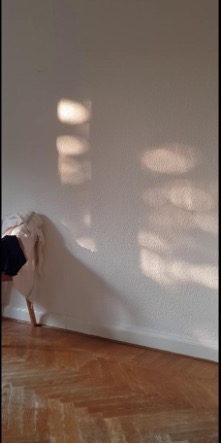
When the afternoon sun poured through the window, it cast the shifting shadows of leaves onto the walls. The light turned my home into a living screen, nature itself choreographing a silent dance. I could lose myself in those trembling patterns, drawn into dreams as if the room dissolved into something weightless. Perhaps if Gaston Bachelard had been there, he might have described it as a reverie, a space where matter and imagination blend, where a simple patch of moving light could open vast, interior landscapes of thought and feeling (Bachelard, 1994).
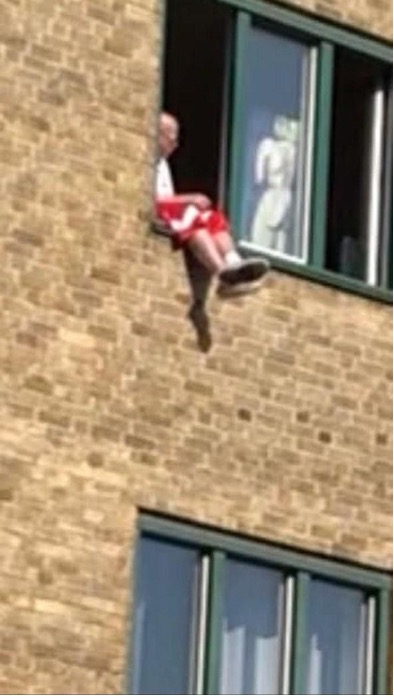
One of my neighbors across the street, a young boy who lived on the fourth floor, frequently converted sunny afternoons into impromptu performances. He would open his window so wide, exposing a giant poster of a nude figure facing the street, and blast ear-shattering music into the air. Everyone around, as well as those merely passing underneath, became an involuntary audience at his public concert.
On some days, the music was harsh, on others, euphoric. And even when his music was not to my taste, its openness was like an invitation, a means of bringing the neighborhood together to breathe, if only temporarily. Occasionally, he would prop himself up onto the window ledge, his legs dangling into space, bobbing ever so slightly, watching over the street down below, a performer and observer of the world he helped to shape.
My window was also a porous point of meeting.
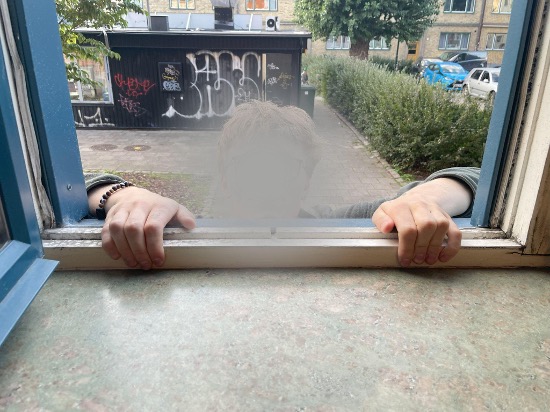
Friends would walk by and address me by name. One of them once leaped to grasp the windowsill to welcome me, laughing at unexpected moments, folding public street into private life.
And outside my window, the city provided other silent rituals of connection: My boyfriend’s mother, when she was walking her dog Matisse along Kungsgatan, came across a retired gentleman who would paint beside his ground-floor window regularly. Each day, she would stop to greet him; sometimes, the painter would also offer a biscuit to Matisse through the window, transforming mundane walks into small gestures of communal time.
During these moments, no longer was the window a boundary, but a threshold of relationships, of everyday urban living sewn together gently, where looks, salutations, beats, and body language made the city more connected, less fractured.
Windows That Shout, Windows That Refuse
In Malmö, few neighborhoods carry as much symbolic weight as Möllevången, known affectionately as Möllan. Historically built in the early 20th century to house working-class families and factory workers, it has long been a space of migration, labor, and political resistance. Today, it is one of Malmö’s most ethnically diverse and politically expressive districts, where Palestinian flags, bicycle protests, anarchist banners, family groceries, and hipster cafés cohabit in tight, often contradictory rhythms. It is a noisy, layered, contested place that feels like a threshold in itself.
My window in Möllan no longer offered a view of light and clouds or quiet walkers by the park; it became part of the street’s performative ecology. Windows in Möllan talk differently.
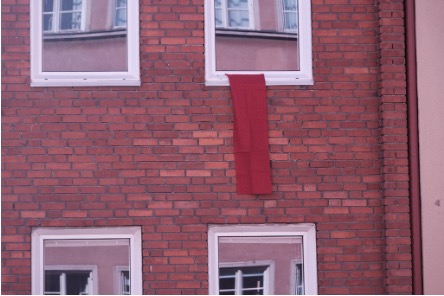
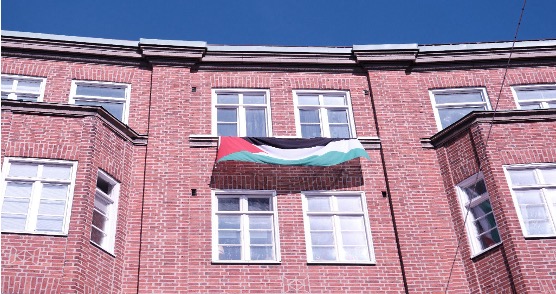
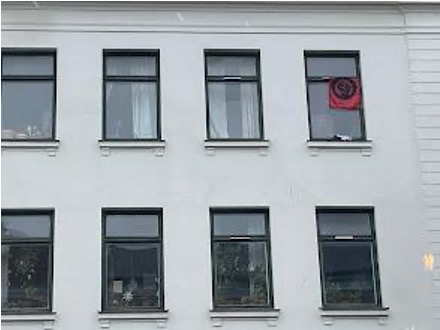
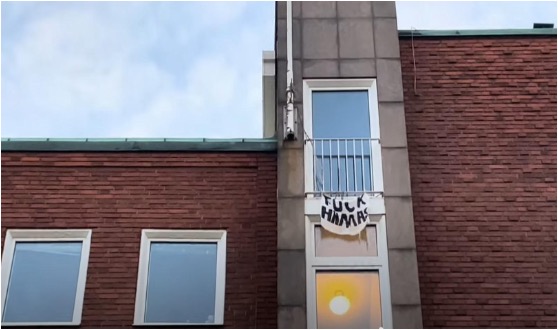
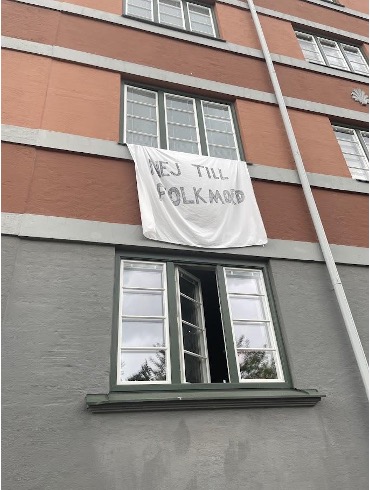
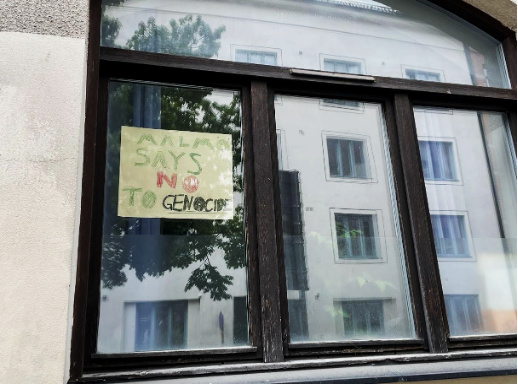
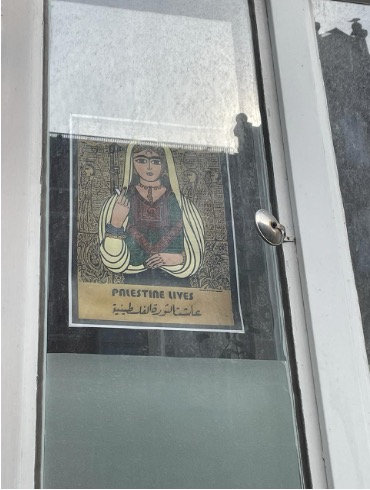
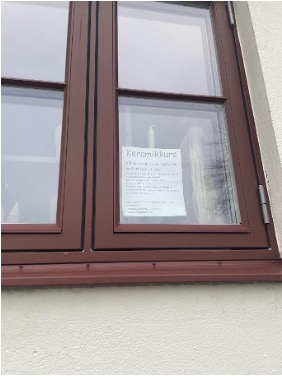
They are more expressive and public, with flags hanging from windows, handwritten notices stuck onto glass, and string lights flashing messages into the night. It is like reading an ever-changing urban archive while walking through Möllan—with windows as storages of individual, political, and communal experiences. There appears to be some correspondence here with Tim Ingold’s (2011) concept of meshwork; windows are not discrete points, but intersections of lives, materials, gestures, and threads interwoven into the fabric of the city.
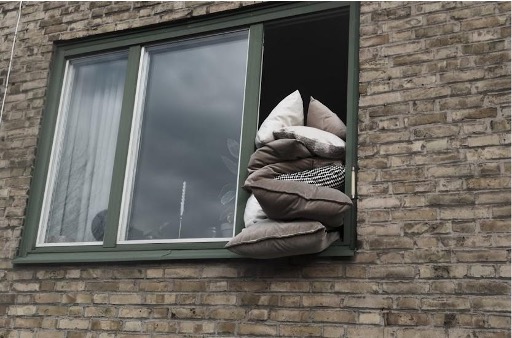
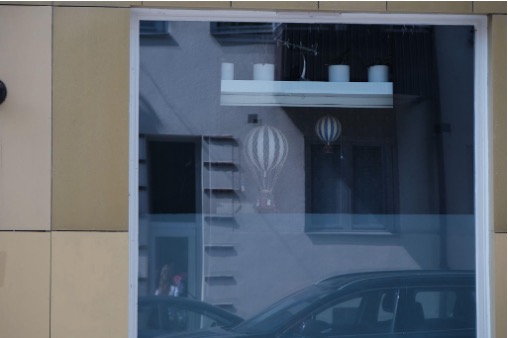
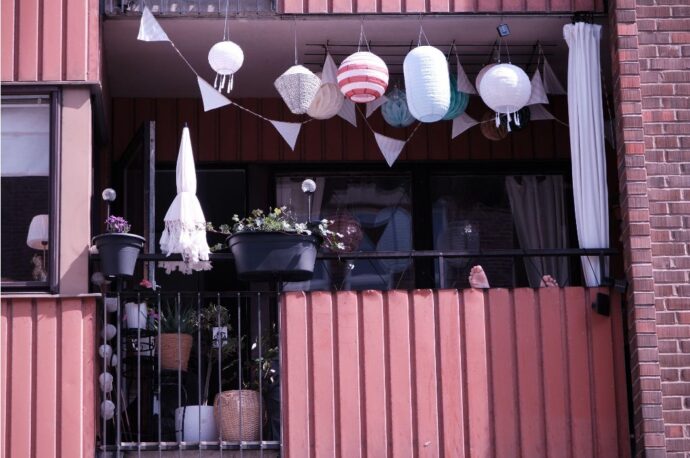
On Sundays, at about two o’clock, the beat of the street changed: demonstrations in favor of Palestine mobilized, filling the atmosphere with chants. Numerous windows along the street carried Palestinian flags, rippling visibly in the breeze—small, steady acts of solidarity.
Not every window, then, communicated in the same way!
On a Sunday, my neighbor right across from my window set a huge speaker on his windowsill, playing popular Swedish music into the street. The lighthearted lyrics of the song celebrating everyday life were juxtaposed in harsh contrast to the chants of “Länge leve Palestina!” (Long Live Palestine) echoing up from below. It was a silent face-off: a window responding, breaking up the group beat of the march.
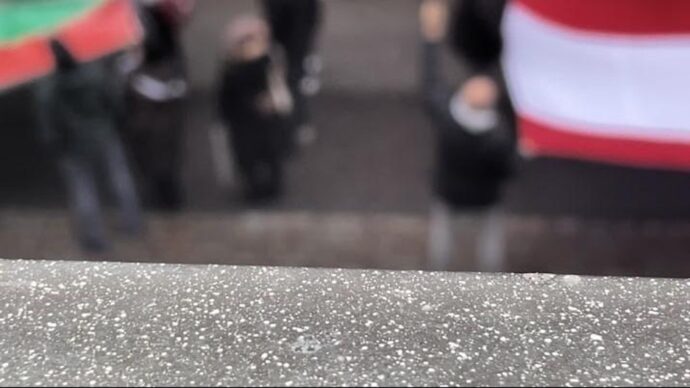
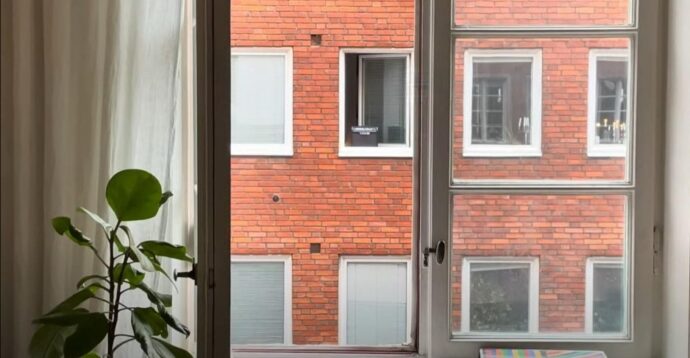
The crowd stopped.
Some protesters pointed upwards, snapped photos, and yelled back towards the window. The others also opened windows to observe.
But the music played on, unbroken.
My neighbor’s window remained closed after that Sunday.
The lamps were not on for two weeks.
The window grew silent, dark.
Maybe fear overshadowed defiance; maybe absence was a statement of a different sort.
Whenever the demonstrations came back, they ceased to march past our block. The march redirected, evading a clash.
The city’s spatial rhythm was altered all due to a window.
If we read Lefebvre’s theory of rhythm analysis, this minor incident illustrates how rhythms are neither abstractions nor determinations: they are shaped, negotiated, and interrupted by bodies, by voices, and by silent, closed windows too.
On the other hand, these scenes reminded me of David Graeber’s writing on the political potential of everyday life and how acts that appear mundane or decorative can carry deep ideological weight (Graeber, 2013). The windows in Möllan functioned not only as architectural features or aesthetic displays, but also as platforms for micro-political expression, where values were signaled, contested, withdrawn.
Such readings resonate with the spirit of urban humanities: the effort to recognize how imagination, conflict, and care materialize in ordinary urban textures. A flag, a curtain, a speaker—all of them became, briefly, part of a wider civic stage.
A City in Celebration, A Window in Reply
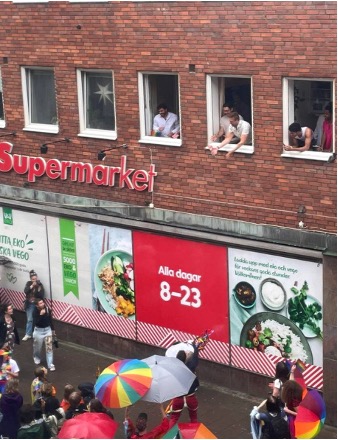
The following paragraph, a reflection on Malmö’s Pride parade as witnessed through windows, was added later in the writing process. It did not emerge from the same initial walks or photographic rhythm but rather interrupted it. Yet, this very interruption felt meaningful. From an urban humanities perspective, such insertions reflect the layered, open-ended nature of the city, where observation is always partial, time-sensitive, and revisable. Just as cities are continuously reinscribed through events, memories, and bodies in motion, so too must our mappings remain receptive and porous to new thresholds of meaning.
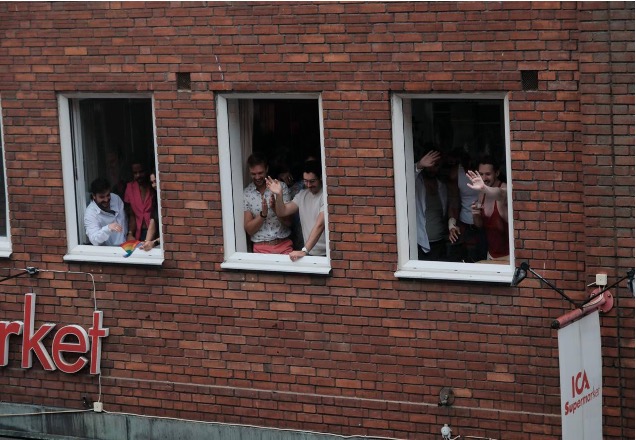
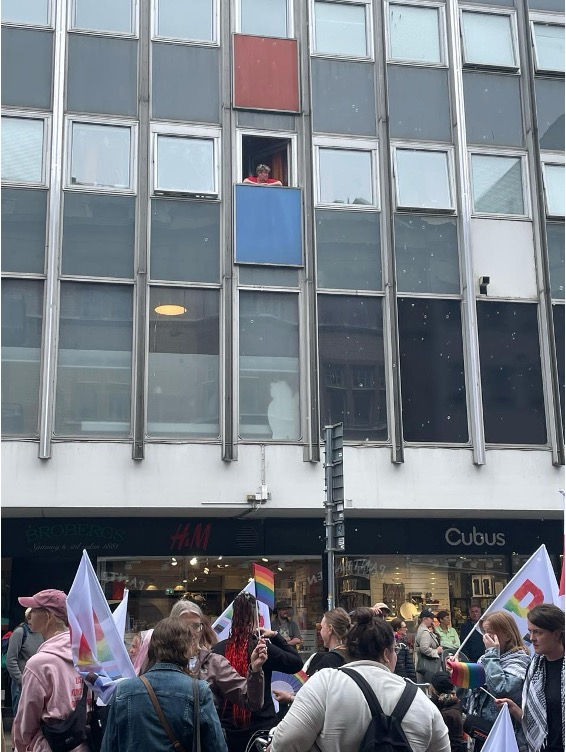
During Malmö’s Pride parade, I noticed how windows not only framed but also staged different kinds of participation. Some apartments became extensions of the street: windows thrown wide open, people gathered at the sills chanting, drinking, and waving flags, transforming windows into celebratory thresholds suspended above the crowd. From the street, the crowd responded with cheers, clapping, and even throwing chocolates and flowers toward the upper floors. Other windows hosted quieter presences: someone watching alone, a discreet flag, or curtains drawn. What struck me was not just the visibility but the interaction—how architecture became part of the choreography. In the spirit of urban humanities, where city spaces are understood as both subject and method (Cuff, 2017), this wasn’t about observing space, but about space performing itself through fleeting relationships. That day, the façade became a stage, and the line between observer and participant, private and public, blurred into something mutual, momentary, and political.
The City Written on Glass
These fragments are not answers but traces, a quiet observation of how windows inhabit the city and how the city, in turn, inhabits them. Seen through the lens of urban humanities, this is not merely documentation but a gesture of attunement: to what is easily missed, to what resists spectacle. A mapping, not of grand interventions, but of the soft, persistent textures of life, a choreography of glass, light, routine, and resilience.
In this ongoing project, I do not claim to speak for the windows I see. Rather, I learn to listen through them to the lives they filter, the silences they hold, and the solidarities they suggest. This attention may be small, but it insists on care. If a future project follows, it will be one that does not end at the frame but reaches inward and outward, inviting others to reflect, to remember, and to reimagine. For now, I leave these pages as offerings, shards of shared atmosphere, brief openings, and moments where looking became a way of being with.
References
Ahmed, S. (2006). Queer phenomenology: Orientations, objects, others. Duke University Press.
Bachelard, G. (1994). The poetics of space (M. Jolas, Trans.). Beacon Press. (Original work published 1958)
Cuff, D., Jonas, W., & Sherman, D. J. (2020). Urban humanities: New practices for reimagining the city. MIT Press.
Graeber, D. (2013). The democracy project: A history, a crisis, a movement. Spiegel & Grau.
Ingold, T. (2011). Being alive: Essays on movement, knowledge, and description. Routledge.
Lefebvre, H. (2004). Rhythmanalysis: Space, time, and everyday life (S. Elden & G. Moore, Trans.). Continuum. (Original work published 1992)
Perec, G. (1997). Species of spaces and other pieces (J. Sturrock, Trans.). Penguin. (Original work published 1974)